
INTRODUCING DARZAH aT YA SOKO.
We love all the incredible brands we work with, but Darzah holds a truly special place in our hearts because of the powerful story and meaningful work behind this brand. Darzah moved us in such a beautiful and profound way that it felt impossible not to Partner with them. Take a moment to learn more about Darzah and the inspiring, impactful work they continue to do. Shop and show your support.

MEET DARZAH
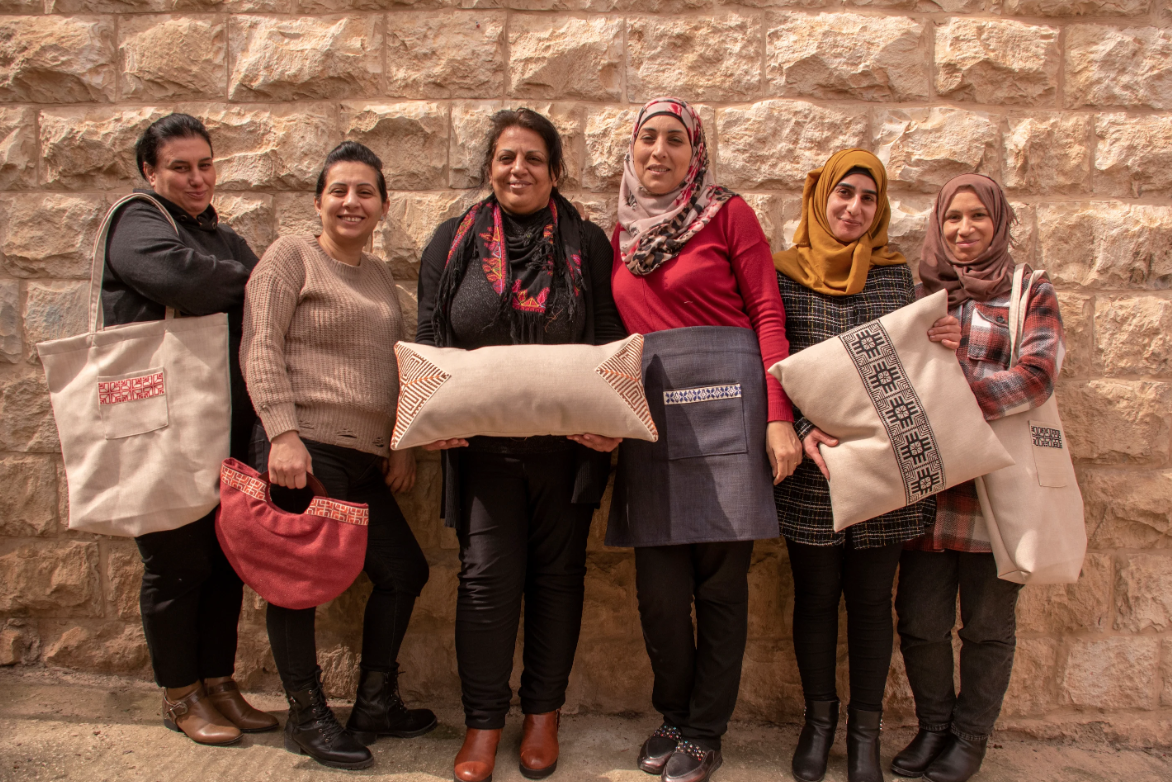
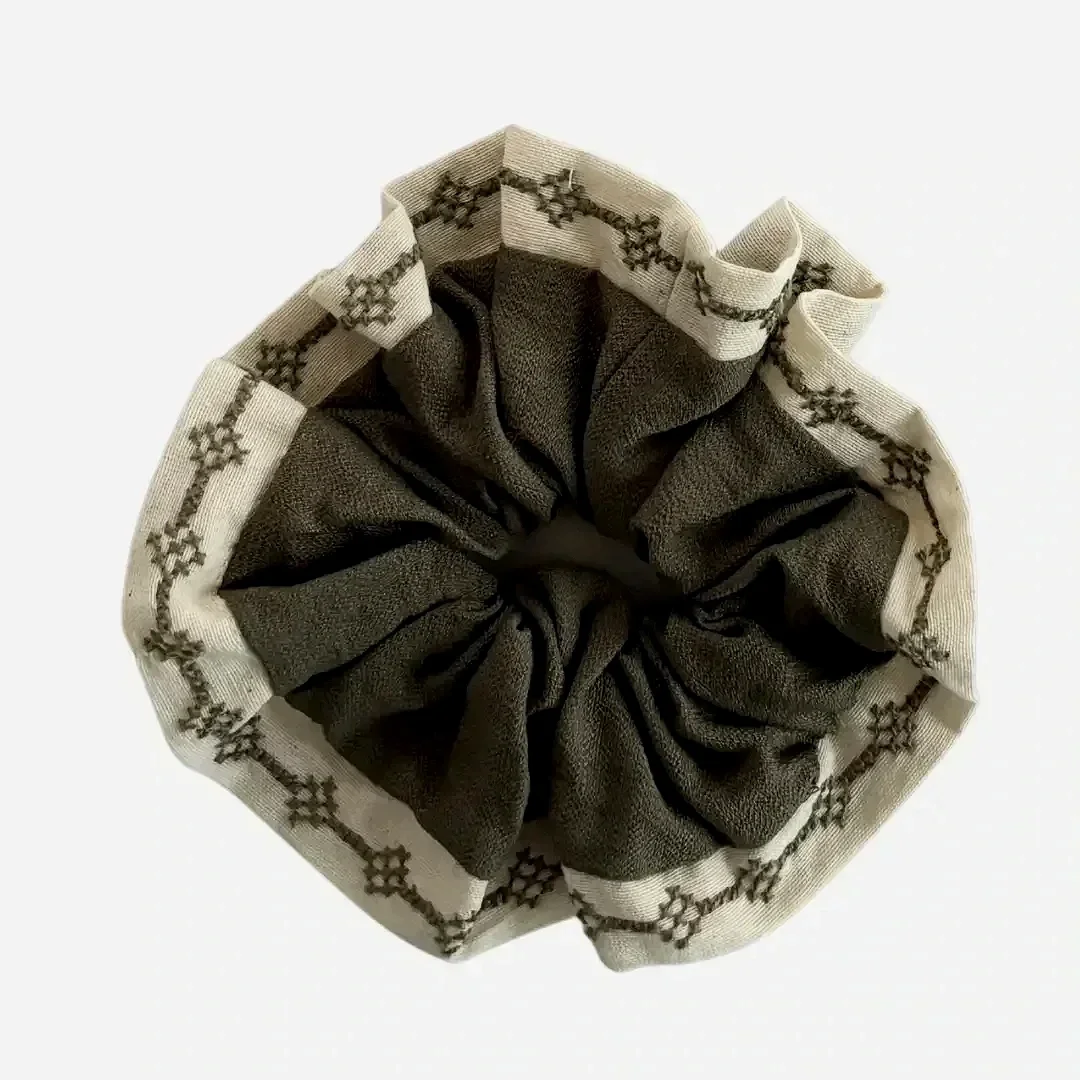
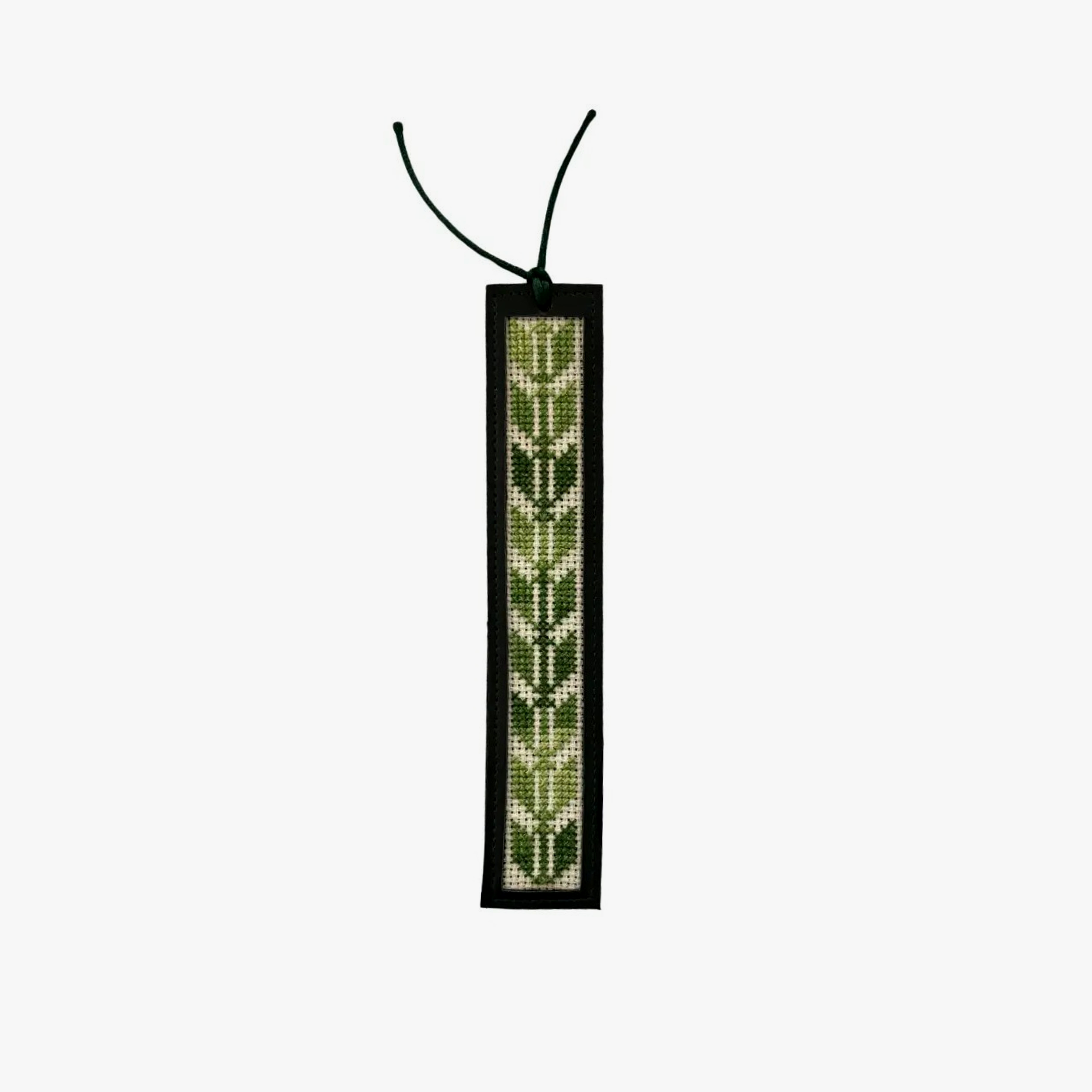
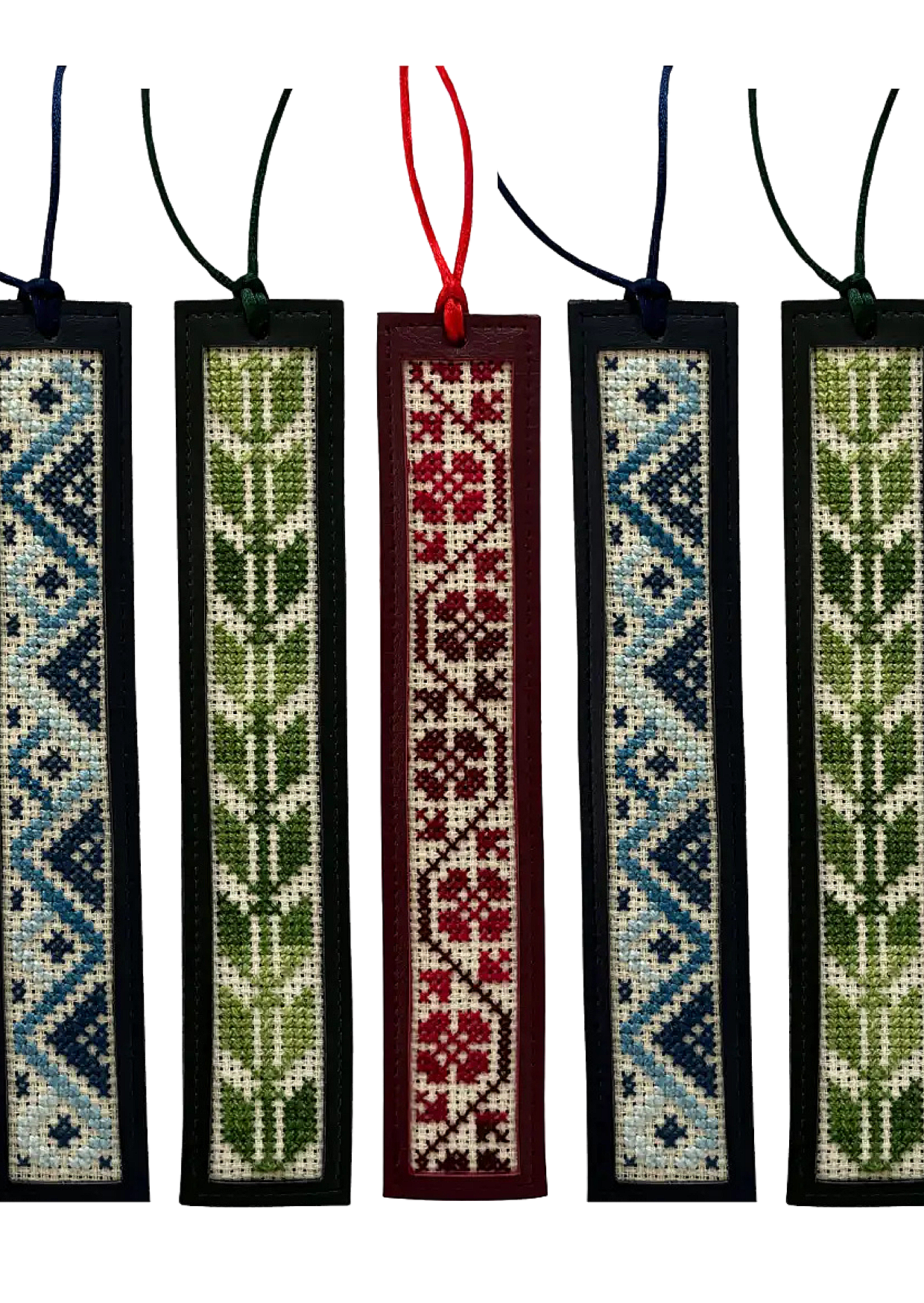
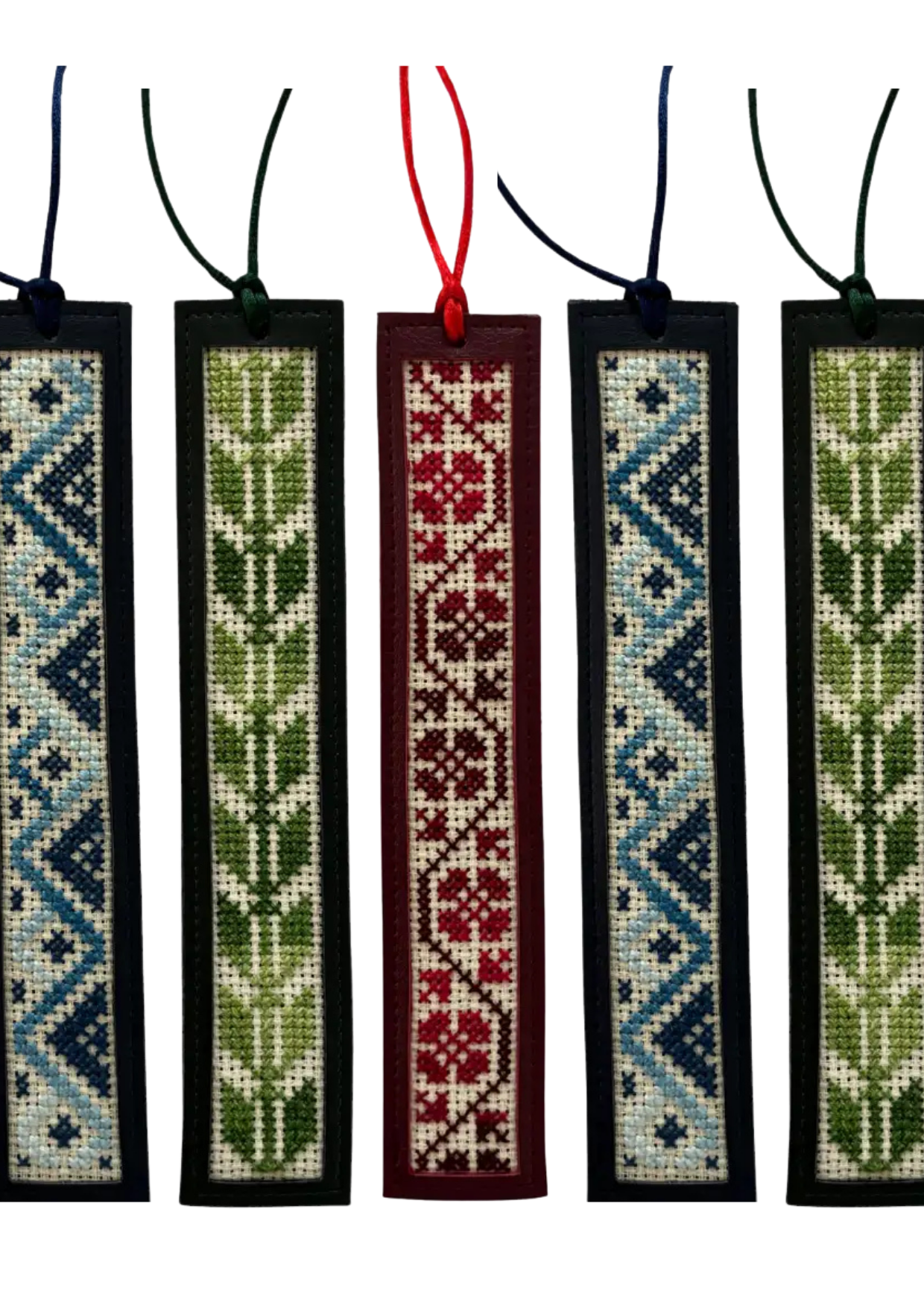
Darzah is a non-profit, ethical fashion brand creating authentic, handmade Palestinian products. The embroidery style, tatreez, is a traditional art form passed down through centuries of women. Our goal is to bring tatreez apparel and décor to the world in order to celebrate and preserve Palestinian heritag
THE STORY SO FAR
As a Fair Trade certified brand, we are committed to providing our employees fair working wages and conditions.
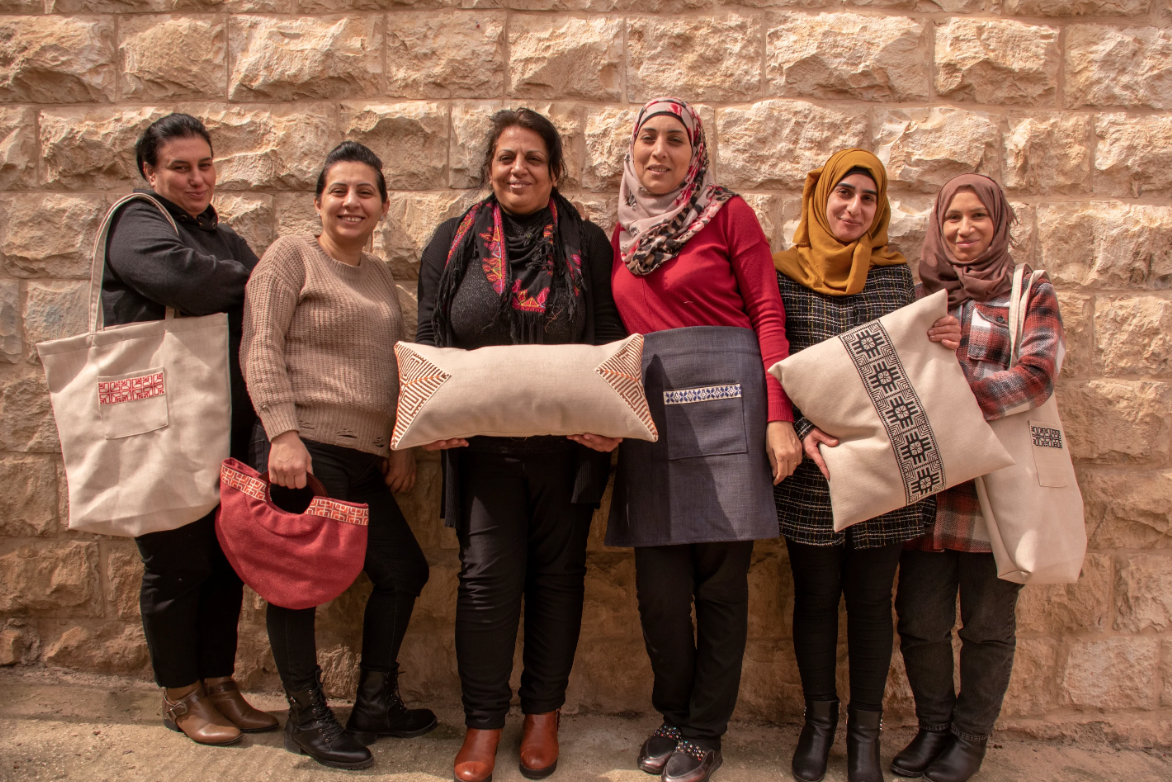
Our artisans are women from the West Bank who have historically endured marginalisation in the form of low-income, gender inequality, and lack of economic opportunities. Darzah’s mission is to economically empower these women by providing job opportunities, training, and a fair income.
100% Handmade in Palestine
Our products are 100% handmade in Palestine. We collaborate with skilled shoe and bag makers in Al-Khalil/Hebron to design the products, and our artisans hand-embroider each piece with a beautiful tatreez motif. All of our leather is locally sourced from a family-run leather manufacturer in the Al-Khalil region.
Each and every purchase from Darzah contributes to artisan salaries, employment programs, and job training in the West Bank. Darzah is a project of Child’s Cup Full, a non-profit initiative based in Zababdeh, a village located in the northern West Bank. Child’s Cup Full is focused on economic empowerment for women in the area through Darzah and Zeki Learning, a brand creating educational toys for children.
100% HANDMADE IN PALESTINE
Our products are 100% handmade in Palestine. We collaborate with skilled shoe and bag makers in Al-Khalil/Hebron to design the products, and our artisans hand-embroider each piece with a beautiful tatreez motif. All of our leather is locally sourced from a family-run leather manufacturer in the Al-Khalil region.
Each and every purchase from Darzah contributes to artisan salaries, employment programs, and job training in the West Bank. To learn more about our work and the “Tatreez Archive,” please watch our fundraising campaign video below. Send us an email at hello@darzah.org, we’d love to hear from you!
Darzah is a project of Child’s Cup Full, a non-profit initiative based in Zababdeh, a village located in the northern West Bank. Child’s Cup Full is focused on economic empowerment for women in the area through Darzah and Zeki Learning, a brand creating educational toys for children.
-
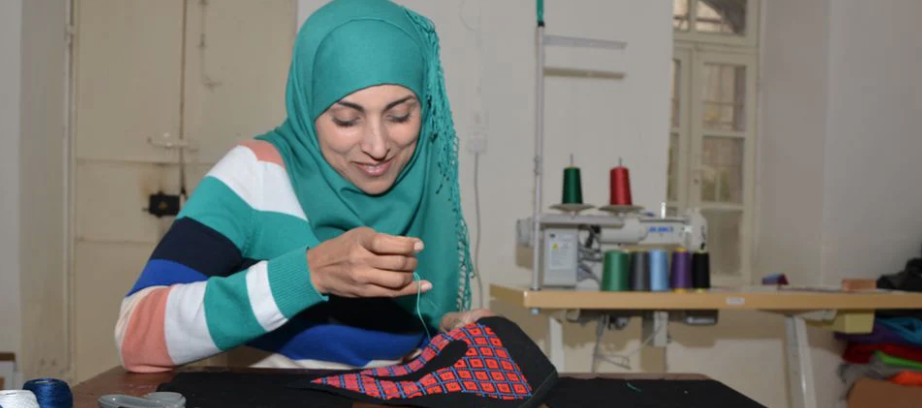
Each Darzah creation is entirely handmade by our talented artisans in the West Bank. Our team has grown to include six full-time and 22 part-time workers from Zababdeh and neighboring regions. These women specialize in Palestinian tatreez embroidery, a traditional art form that has been passed down from mother to daughter for centuries. Every tatreez motif holds significant meaning that shares a story in each stitch.
-
Tatreez embroidery requires an impressive amount of skill and each motif calls for a different set of techniques and materials. For example, our Tatreez Flats take 18 hours or more to embroider, while designs with two or more colors significantly increases the amount of time needed for a motif. Due to the intensive nature of the embroidery style, working for eight continuous hours isn’t feasible, so most of our artisans choose to work from home. This allows them the freedom to simultaneously work on their own schedule and tend to household commitments, such as caring for their families.
-
Our process typically includes embroidery on an evenweave cloth that allows for evenly spaced stitching. When working with fine fabrics, such as silks and linens, this process is even more involved. Gridded fabric must be secured to the fine fabrics before the embroidery can be added. Once the design is completed, the gridded fabric is removed string by string until only the motif is displayed. The process is extremely time-intensive, but the results are gorgeous tatreez motifs.
-
In order to preserve and celebrate the tatreez art form, we have created the Tatreez Archive, a database to search and upload motifs. Visit the site to learn more about the motifs featured in our designs. If you’re interested in creating a custom design or learning more about how our products are made, feel free to email us at hello@darzah.org.
As a Fair Trade certified brand, we are committed to providing our employees fair working wages and conditions. Our artisans are women from the West Bank who have historically endured marginalisation in the form of low-income, gender inequality, and lack of economic opportunities. Darzah’s mission is to economically empower these women by providing job opportunities, training, and a fair income.
EMPOWERING WOMEN
-
In the West Bank, unemployment rates for women are extremely high, affecting over 60% of this demographic. Many of these women have historically earned little to no income to help support their families. Darzah has helped to ease the burden for many of these women. Each of our artisans earns a living wage, well above the local minimum. With the income generated by working with us, our artisans are able to provide for themselves and their families. We ensure that every woman at Darzah knows her worth and feels confident to share her opinions. The income and community we’ve created has given our artisans the stability needed to create larger dreams for themselves and our organization.
-
There are numerous other barriers for Palestinian women trying to attain work, including the constraints of society and geography. It is not common for women in the area to have reliable means of transportation, meaning daily commutes can be an obstacle. We allow all of our artisans the choice of working from home, where they can work and care for their families simultaneously. Darzah delivers materials to these women so they have the freedom to earn income and fulfill personal responsibilities.
-
Darzah is always looking for ways to introduce new skills and trades to our artisans. In 2019, our six full-time workers participated in a six-month long course in leatherworking. Learning a new trade is both thrilling and rewarding for these women who are always excited to put their skills to use. This training means that some of our leather products, such as key fobs and bags, are now made start to finish by our women artisans. We are hoping to secure more funding soon to begin training in shoemaking and the next stages of leatherworking, taught through an 18-month long course.
-
Our commitment and dedication to women empowerment has been recognized both locally and internationally. The supportive nature of our organization has become well known in local communities, where new applications from women looking to join Darzah are being received each week. In addition to local recognition, our work has even been endorsed by the Fair Trade Federation. Our Fair Trade certification is a reflection of our promise to provide fair wages to our employees, implement sustainable manufacturing practices, and support marginalized communities.
Darzah began with one goal in mind, empowering women in the West Bank. If not for the group of local mothers who approached us, voicing their desire for work, Darzah would not exist. This is why our mission to empower women will always be central in everything we do.
NON-PROFIT

Darzah began with one goal in mind, empowering women in the West Bank. If not for the group of local mothers who approached us, voicing their desire for work, Darzah would not exist. This is why our mission to empower women will always be central in everything we do.
-
Darzah is a project of Child’s Cup Full, a 501(c)3 non-profit social enterprise. The idea for Child’s Cup Full began in 2008 when Dr. Janette Habashi, a professor of Educational Psychology at the University of Oklahoma, accompanied her students on a fundraising initiative to support grassroots education programs for refugee children in the West Bank. The local Palestinian community appreciated their assistance, but a group of mothers looking for a long-term solution to their economic strife approached and asked Dr. Habashi if she could help them find jobs. As the local economy does not offer reliable work for women, Dr. Habashi knew that finding work for these women would be extremely challenging.
After much contemplation, Dr. Habashi found that the best solution would be to create jobs for these local mothers. Thus, Child’s Cup Full was born. Despite not having any background in business, Dr. Habashi was committed to helping these women. This brave decision was supported by her community at the University of Oklahoma, provided she took various business courses to ensure the success of the organization.
-
Upon completing a semester of business classes, Dr. Habashi set out on developing a brand that could utilize her background in educational psychology and the Palestinian mothers’ desire to work. This led to the creation of Zeki Learning, the sister brand to Darzah. Zeki Learning is a children’s educational resource brand committed to creating high-quality learning materials that promote cognitive development and language learning for preschoolers. The brand exclusively employs women from Zababdeh and its neighboring regions, where access to work is particularly scarce.
As word began to circulate about Child’s Cup Full and the jobs it was creating, more and more women began approaching the organization for work. In order to help more women, Dr. Habashi decided to form a second brand. Inspired by the knowledge of tatreez embroidery that is prevalent in the region, she created Darzah.
-
Since its founding in 2014, Darzah has grown to include six full-time and 22 part-time artisans. Child’s Cup Full has created an artisan center, located in Zababdeh, where our artisans come together to build community. Due to the demanding nature of tatreez embroidery, many of our artisans choose to work from home to simultaneously care for their families. This is made possible by our lead artisan, Rahaf, who delegates work and coordinates the pickup and drop off of materials to each worker. As Darzah continues to bring on new artisans, Rahaf travels to their homes to train them in additional techniques and skills, such as how to embroider more efficiently. Women from the community continually contact us in search of job opportunities. As we grow, we are able to hire more workers and offer our current artisans additional training. To continue offering additional services to the community, growth is central to our company.
-
Feel free to learn more about Darzah’s mission and artisans, or email us at hello@darzah.org if you’re interested in learning about our work in the West Bank.
TAHRIRI
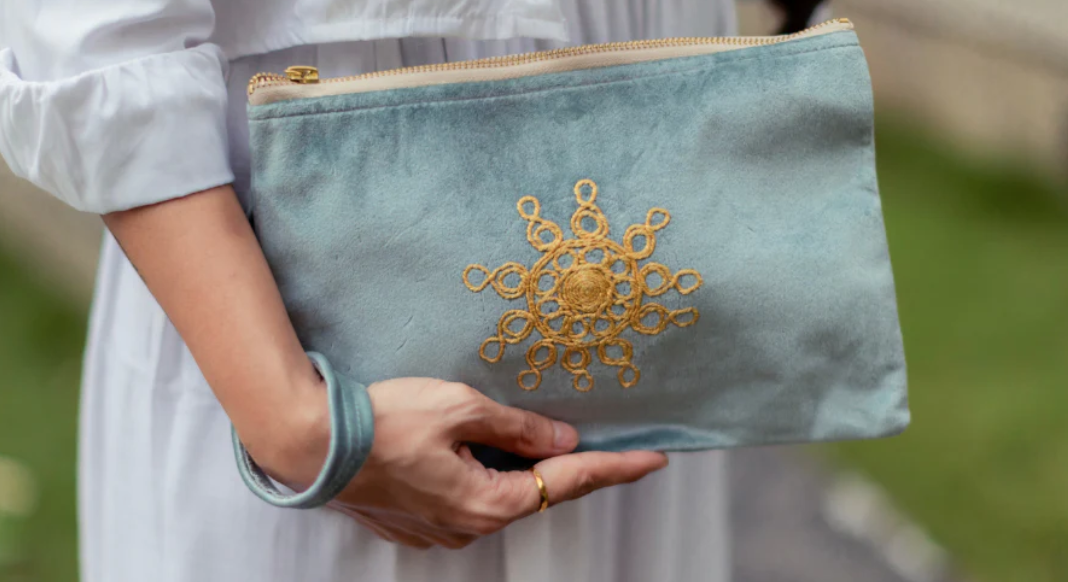
Tahriri is a traditional form of Palestinian embroidery, characterized by its intricate geometric patterns and vibrant colors. It is often used to adorn traditional garments such as dresses, shawls, and scarves, serving as a cultural expression and symbol of Palestinian identity
TATREEZ
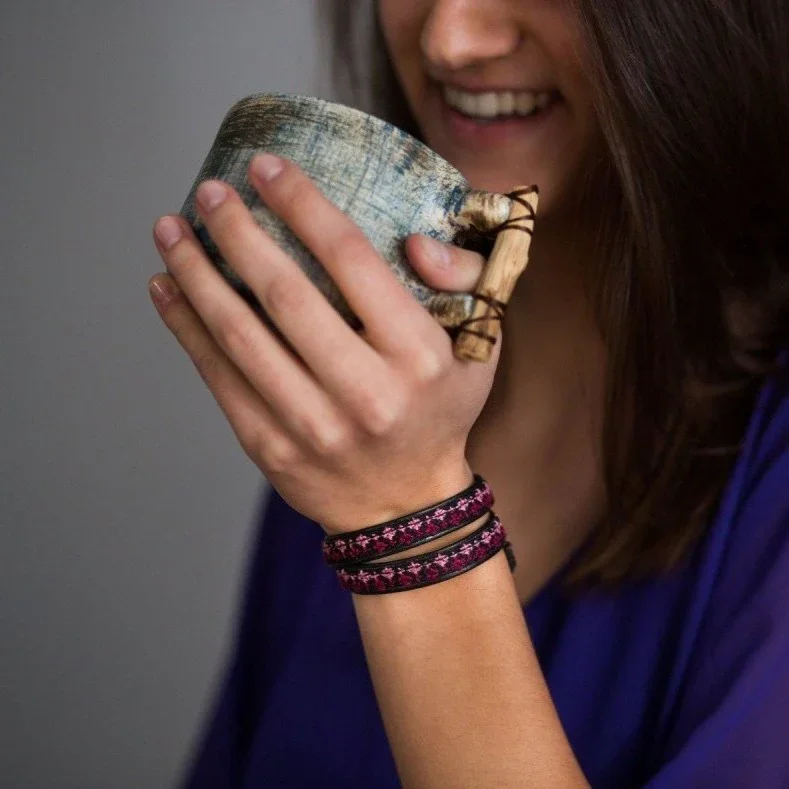
Tatreez is a form of traditional embroidery practiced across various Middle Eastern and North African cultures, particularly prominent in Palestinian and Jordanian communities. This art form involves intricate stitching using colorful threads to create geometric patterns and motifs
FEATURED IN